
Can ELocks improve logistics efficiency? From physical keys to a reusable sealing workflow
ELocks can support everyday operations as well as incident review. Bringing authorized access, task binding and device recovery into one process can reduce repetitive key handovers, status calls and document searches.
The regional distribution example illustrates an operating process, not verified customer savings or financial returns.
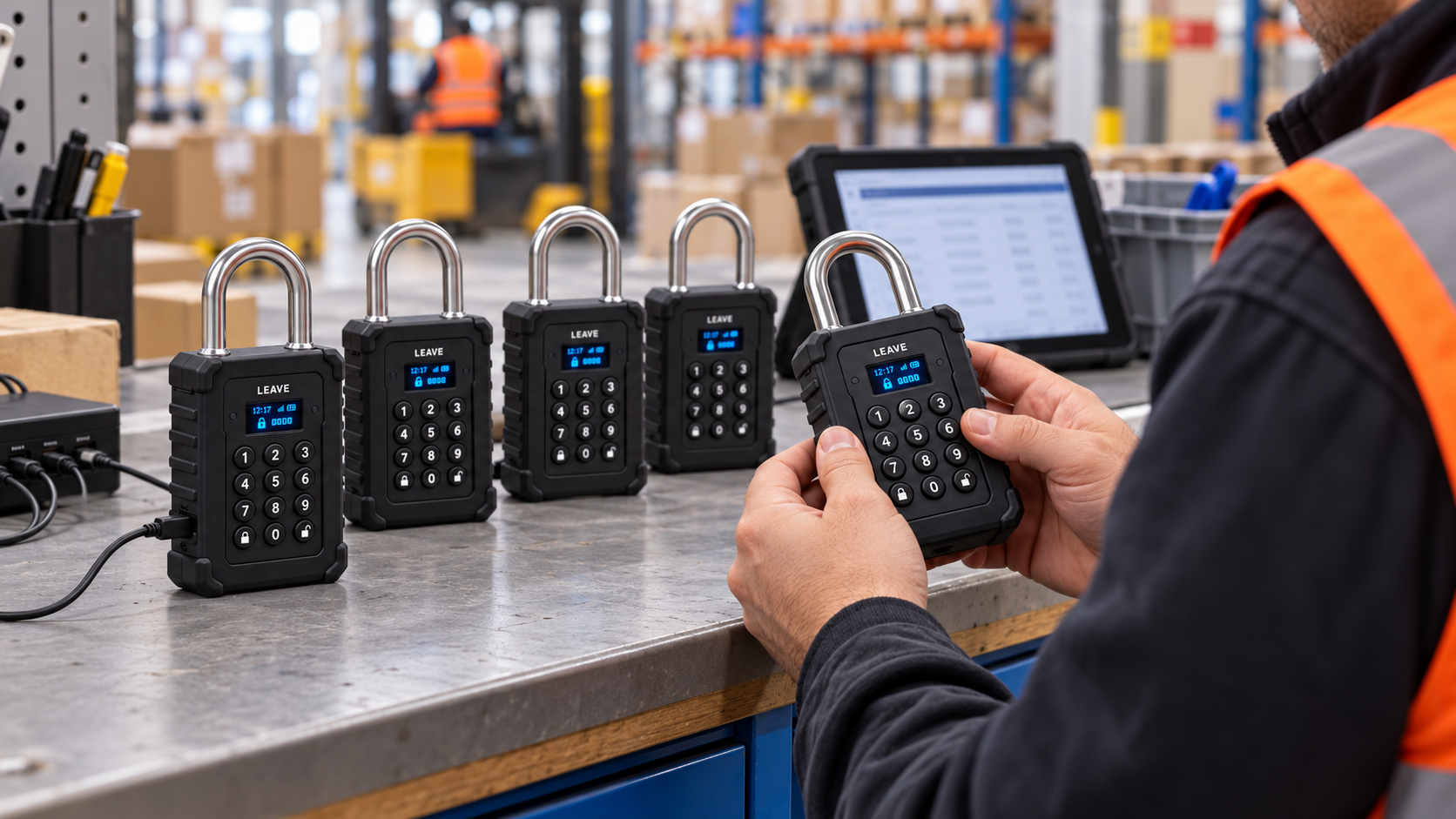
Three things to take away
- An appropriate field operating method can reduce waiting for keys and repeated confirmations.
- Reusable equipment needs a complete issue, recovery, inspection and charging cycle.
- Pilot a representative route and evaluate waiting, record completeness and device circulation.
A difficult security process is hard to sustain
Logistics work is time-sensitive. A missing key, unavailable approver or repeated question about permission can delay a vehicle at the warehouse. Under pressure, staff may begin sharing keys, reusing passwords, sending codes through chats or filling records after the event.
Access control therefore needs a procedure that staff can execute reliably in the field. An ELock creates an opportunity to design the operating method, authorization arrangements and record requirements together.
Device circulation workflow
Reusable equipment. A managed operating cycle.
- Inspect and issueCheck condition, battery and availability
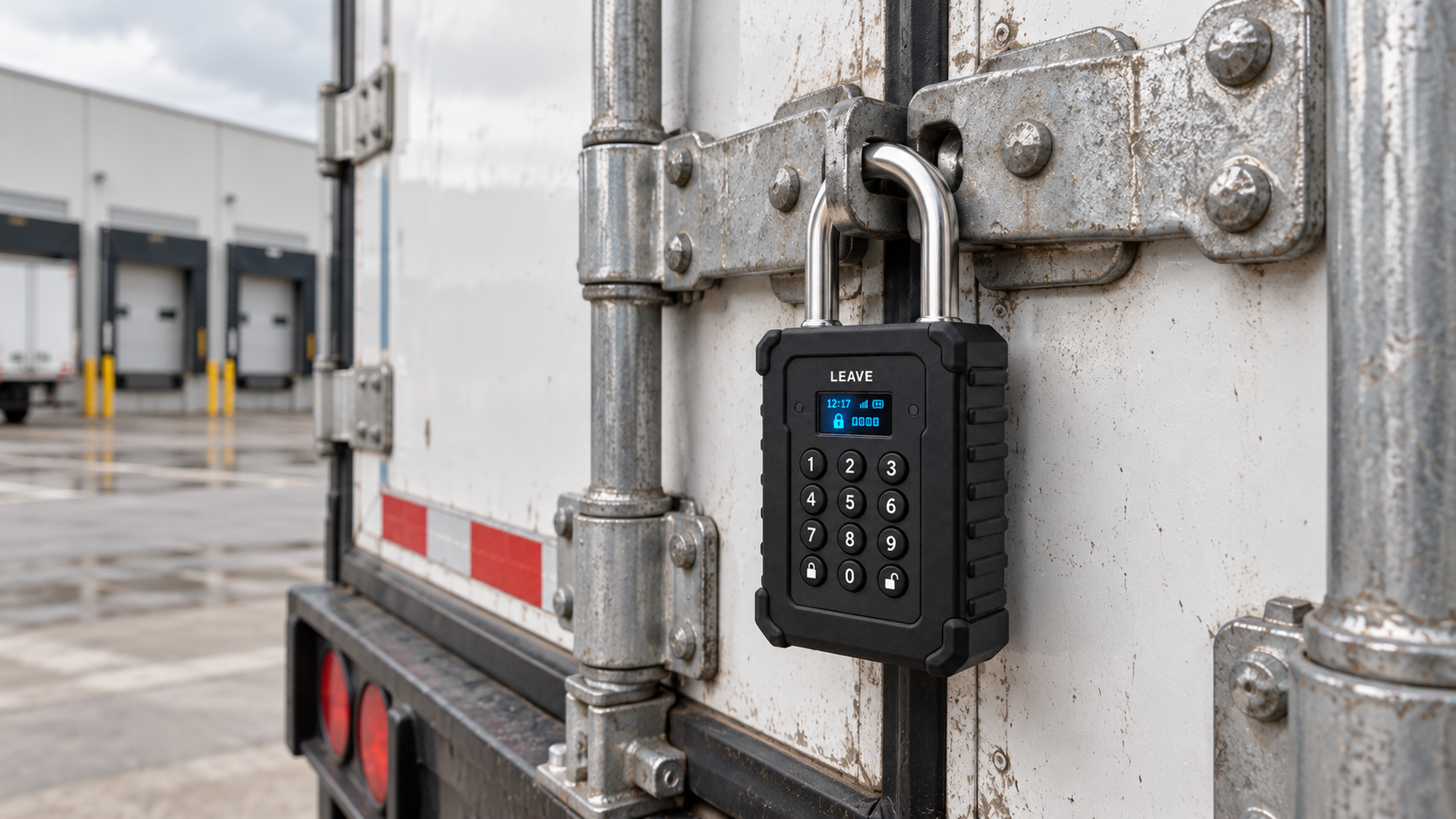
- Bind and sealAssign the shipment before departure
- Handover on arrivalAuthorize access and confirm custody
- Recover and reuseInspect, recharge and release
Operating measures worth recording during a pilot
| Measure | How to record it | What it helps assess |
|---|---|---|
| Access waiting | Arrival to completed authorized operation | Key, communication or approval bottlenecks |
| Record completeness | Required milestones and missing entries | Whether the workflow is consistently followed |
| Enquiries and event review | Contacts per shipment and review duration | Repeated work and follow-up efficiency |
| Device circulation | Issue, return, charging and inspection | Equipment needs and operating costs |
A reusable lock needs a complete circulation process
Reusability does not remove equipment-management work. Focusing only on fitting a lock at departure can leave the next shipment short of units, using a low battery or uncertain about a device’s condition.
Before issue, check availability, condition and sufficient battery for the task. Bind the unit to the waybill, carrier and dispatch record. Review relevant events during transport. After receipt and unlocking, record where the unit is returned or transferred. Inspect, recharge and close the previous assignment before reuse.
On a regular factory-to-depot route, sealing, arrival access and device return can become task milestones. Dispatch can consult the associated records instead of asking for every update by phone. Missing sealing records, unreturned units and temporary access requests become specific actions for the responsible person.
Evaluate the full operating cycle
Assess security and efficiency together. In addition to purchase price, consider installation, connectivity, platform integration, charging, recovery and maintenance. A pilot can measure waiting, manual confirmations, handover completeness and investigation time.
Start with a representative route. Record the average time from arrival to completed authorized operation, required-record completeness, status enquiries per shipment, review duration and device returns and maintenance. Compare equivalent routes and task types using consistent definitions.
LEAVE can connect terminal integration, cargo monitoring and the configured operating workflow. Building on confirmed protocols and project capabilities, operators can link device events with shipments and develop procedures suited to their routes, warehouses and partners. The long-term value appears in each consistently executed sealing, authorization, handover and return.
Questions, answered
Are ELocks always cheaper than other sealing methods?
Purchase price alone cannot establish that. Compare reuse, connectivity, recovery, maintenance and staff effort over the same period.
Which route is suitable for a first pilot?
Choose a representative route with clear procedures, relatively stable handover staff and a workable device-return process. Expand after validation.
How can operators avoid losing units after delivery?
Assign custody and recovery owners at each stage, record transfer locations and follow up on units not yet returned.